




Opportunities and Initiatives
From Wednesday Homs to Wafa Idlib Popular Initiatives Begin Syrias Reconstruction Journey
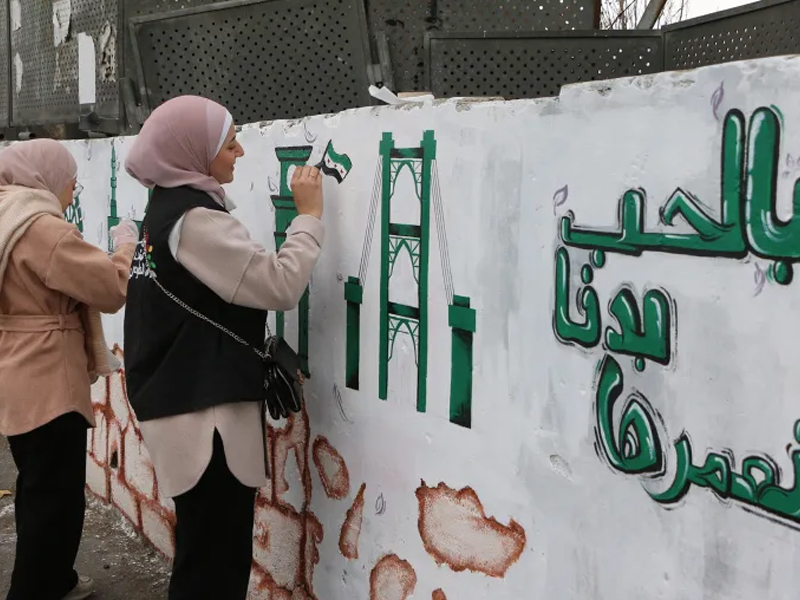
Grassroots initiatives aimed at rebuilding Syria began in the city of Homs and quickly expanded to Rural Damascus, Horan, and Idlib, forming a powerful model of community solidarity in the face of widespread destruction. These campaigns went beyond financial fundraising, embracing social and cultural efforts that restored hope and laid the groundwork for gradual economic recovery. As part of this movement, the “Loyalty to Idlib” campaign raised over 208 million dollars during a large public event held on September 26 at Idlib’s municipal stadium. Official estimates indicate that Idlib’s countryside alone requires nearly 3 billion dollars to rebuild vital infrastructure, including homes, schools, mosques, and medical facilities. Organizers emphasized full transparency by publishing donation data and expenditures through open digital platforms and interactive dashboards tracking impact.
Through vocational training a Syrian association introduces 452 young people to the labor market in Idlib
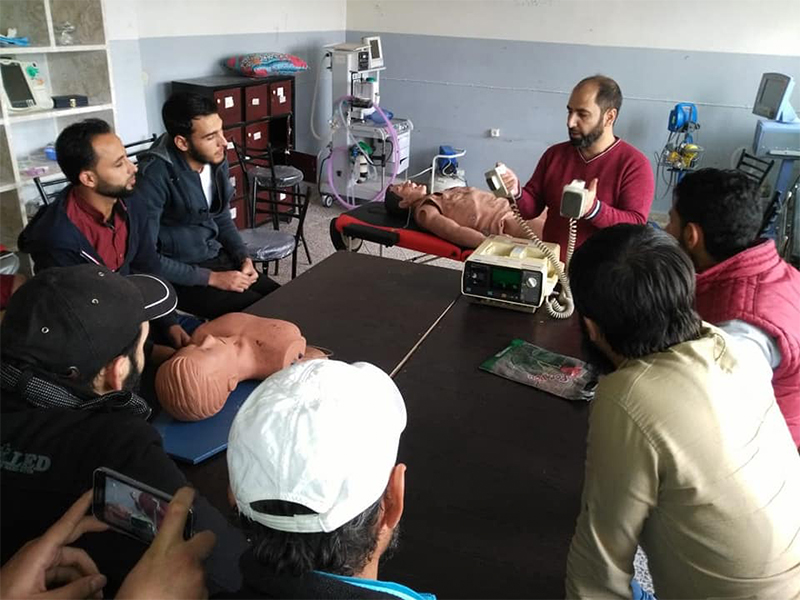
A Syrian non-governmental organization, Ata’a Humanitarian Relief Association, has helped 452 displaced young men integrate into the labor market in Idlib, northwestern Syria, through vocational training programs. Since opening its vocational training center in 2020, the association has offered courses in hairdressing, solar panel maintenance, mobile phone repair, and electrical installations, targeting youth aged 18 to 30 who were forced to leave education due to war. The programs are designed to meet local market needs and combat unemployment, providing participants with sustainable income opportunities. Many graduates have successfully started their own small businesses, improving their living conditions despite ongoing challenges.
Supporting Small Businesses – The Path Toward a Sustainable Local Economy
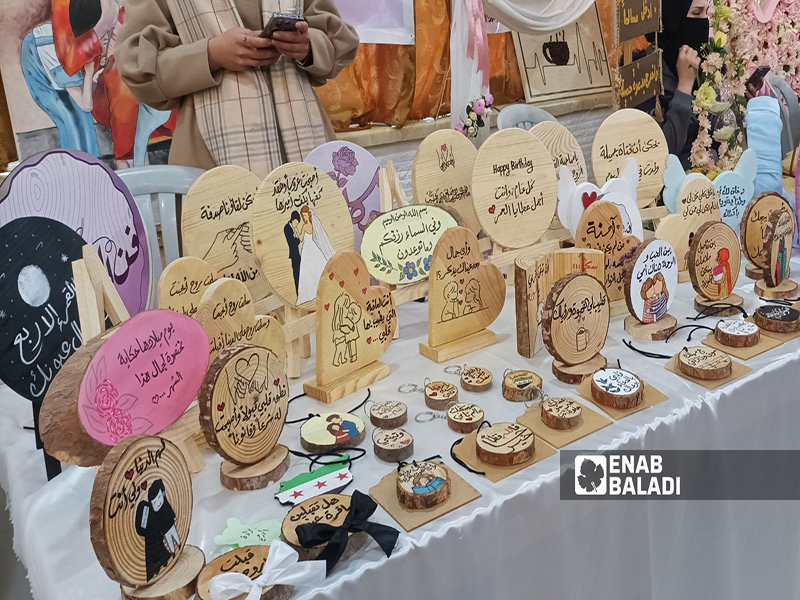
Small businesses play a vital role in supporting Idlib’s local economy, providing income for many families and creating new job opportunities despite ongoing challenges. In recent years, home-based businesses—especially those led by women—have grown significantly, including baking, tailoring, natural skincare products, and homemade food. Youth-led initiatives such as phone repair, digital printing, and small-scale e-commerce have also emerged. Training programs in entrepreneurship, along with small grants from local organizations, help new entrepreneurs develop skills in marketing, cost management, and quality control. Community support for locally made products has become part of a growing culture that strengthens economic independence, encourages innovation, and builds a more resilient and sustainable local economy.

Tool, Clothing, and Book Exchange – A Community-Friendly Economy for Everyone
Amid rising living costs and difficult economic conditions, community exchange initiatives have emerged in Idlib as smart, grassroots solutions to ease financial burdens on families. Based on the simple idea that what one person no longer needs may be essential to someone else, residents formed neighborhood exchange groups to share household items, clothes, books, and children’s supplies. These initiatives rely on direct exchange or free sharing rather than money, fostering cooperation, reducing expenses, and strengthening social bonds. Youth-led efforts to collect and redistribute used books and clothing have further expanded the impact, demonstrating how community awareness and mutual support can create meaningful change without large resources.
Volunteering and Training Opportunities – Building a Generation Capable of Creating Change
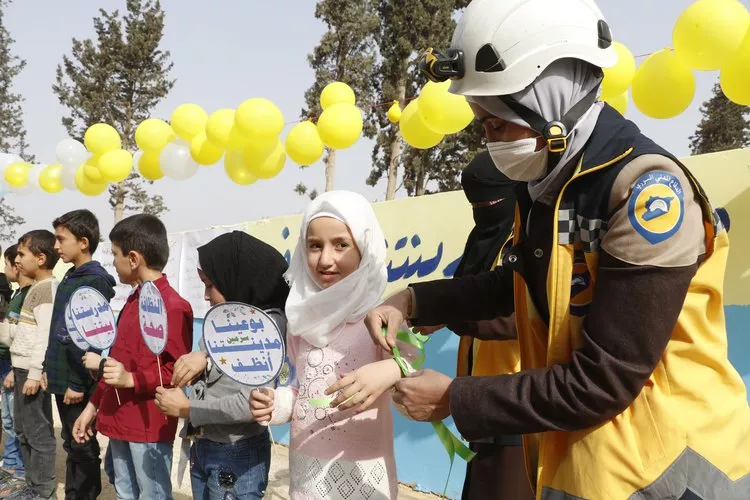
Local organizations in Idlib have launched a wide range of training workshops in fields such as management, technology, design, first aid, and psychosocial support. These programs target not only students but also individuals seeking to develop new skills or shift their career paths, helping bridge the skills gap in the local labor market. Alongside training, volunteering initiatives have expanded, with residents and youth engaging in activities like park cleaning, school maintenance, environmental campaigns, and supporting vulnerable families. These efforts strengthen social solidarity, foster a sense of belonging, and provide participants with valuable experience that can open future employment opportunities. Together, training and volunteering form a foundation for rebuilding the community and preparing a confident, capable generation.
Popular Post